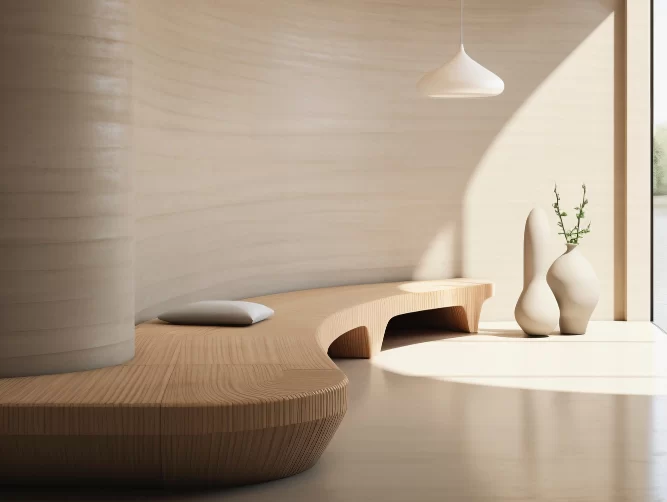
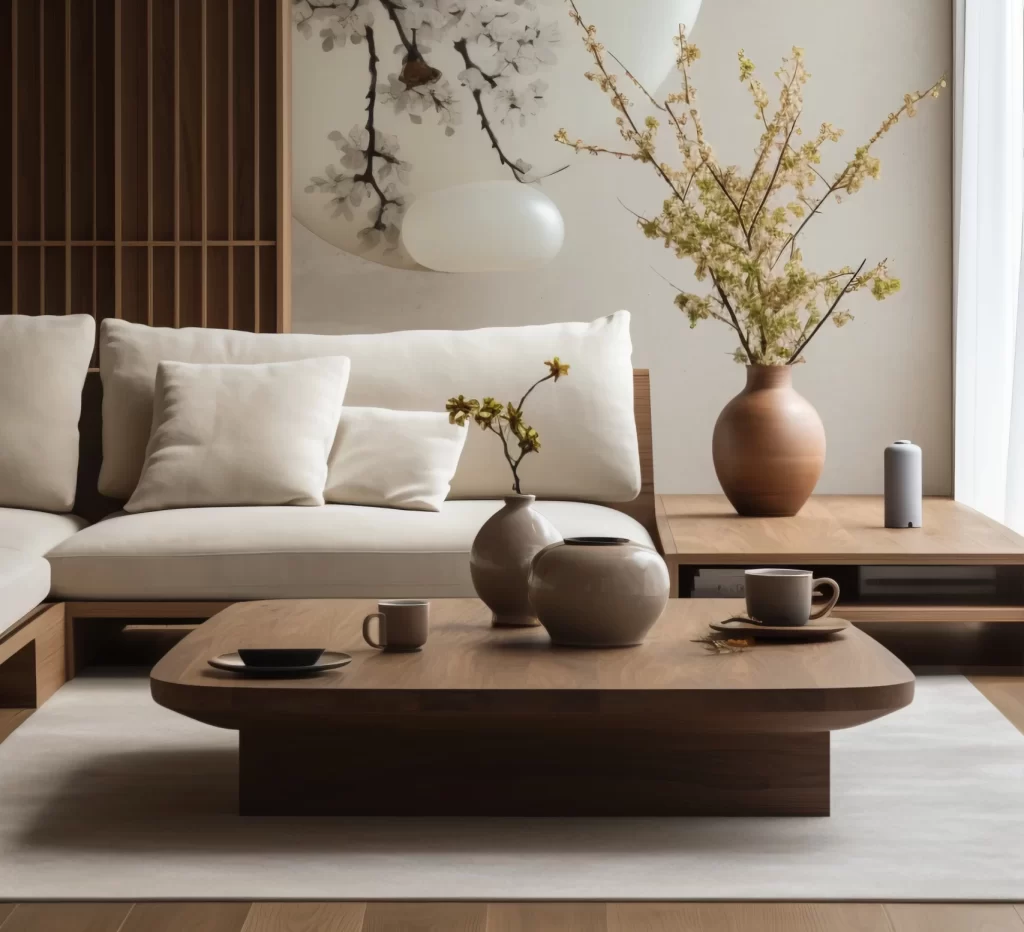
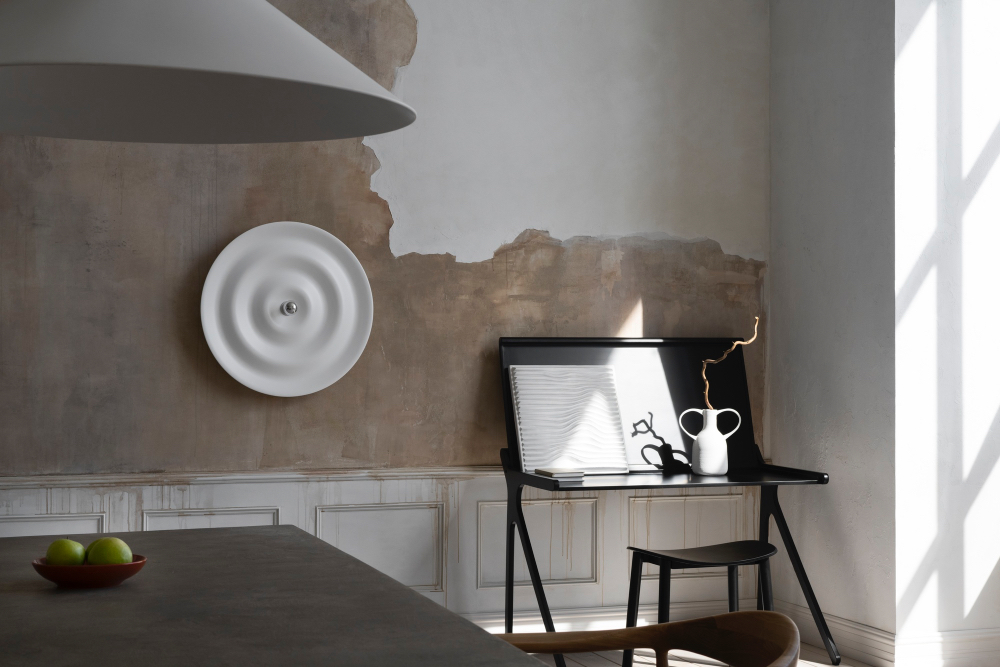
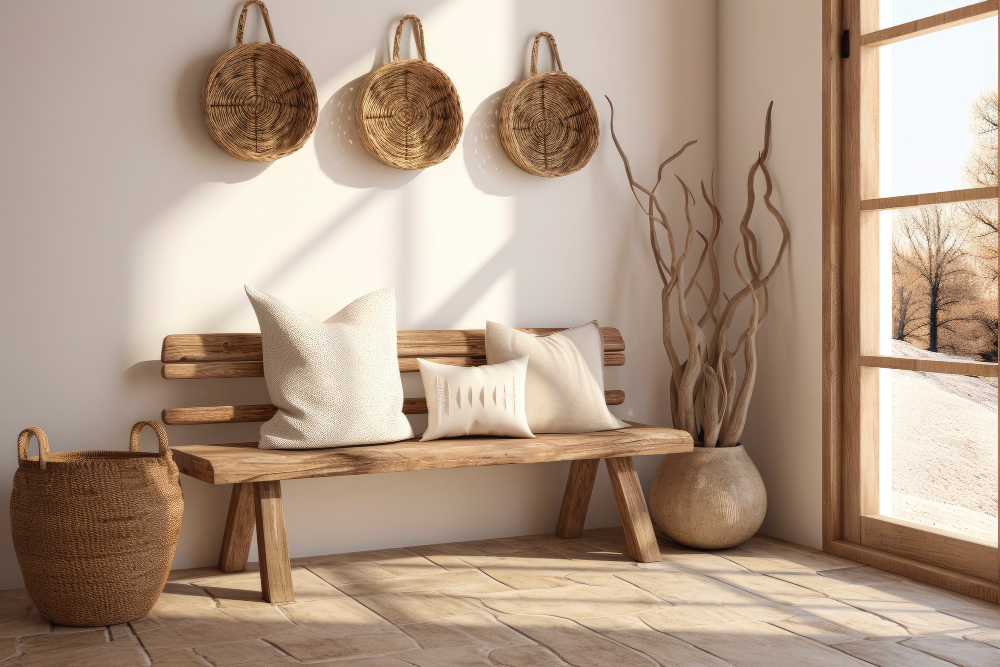
The simplicity, practicality, and connection to nature of the Scandinavian aesthetic have made it a global design sensation. This Nordic design aesthetic, which has its roots in Sweden, Norway, Denmark, Finland, and Iceland, embodies the region’s dedication to comfort, simplicity, and fine craftsmanship. As the Scandinavian aesthetic has developed and blended with other styles over time, innovative new design trends like Scandi-Boho and Japandi have emerged. This blog examines the fundamentals of Scandinavian design, its contemporary variations, and how to apply these aesthetics to your home. Read full blog to know more about Interior Design: Scandi/Boho & Japandi Styles.
Scandinavian design emerged in the early 20th century, heavily influenced by the region’s cold climate and long winters. The goal was to create homes that felt warm, light, and functional while staying true to minimalist principles. The defining elements of the Scandinavian aesthetic are:
1. Minimalism with Purpose:
Clean lines, simple forms, and uncluttered spaces define Scandinavian interiors.
Every piece of furniture or decor serves a functional purpose, eliminating unnecessary ornamentation.
The focus is on creating a calm and harmonious atmosphere.
2. Neutral and Muted Color Palette:
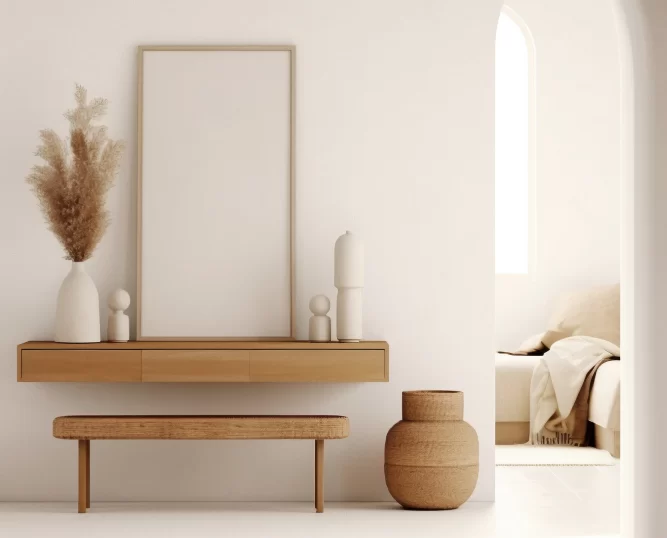
Scandinavian interiors typically use shades of white, gray, beige, and soft pastels.
The goal is to reflect natural light and make rooms feel more spacious and airy.
Accents in earthy tones like terracotta, olive green, and deep blues add warmth without overwhelming the space.
3. Natural Materials and Textures:
The use of wood (oak, pine, and birch) is central to Scandinavian design, adding warmth and a connection to nature.
Textiles like wool, linen, and cotton in soft, natural hues create a cozy ambiance.
Leather, rattan, and stone are often incorporated for texture and visual interest.
4. Cozy and Inviting Atmosphere:
The Danish concept of hygge (coziness) plays a key role in Scandinavian design.
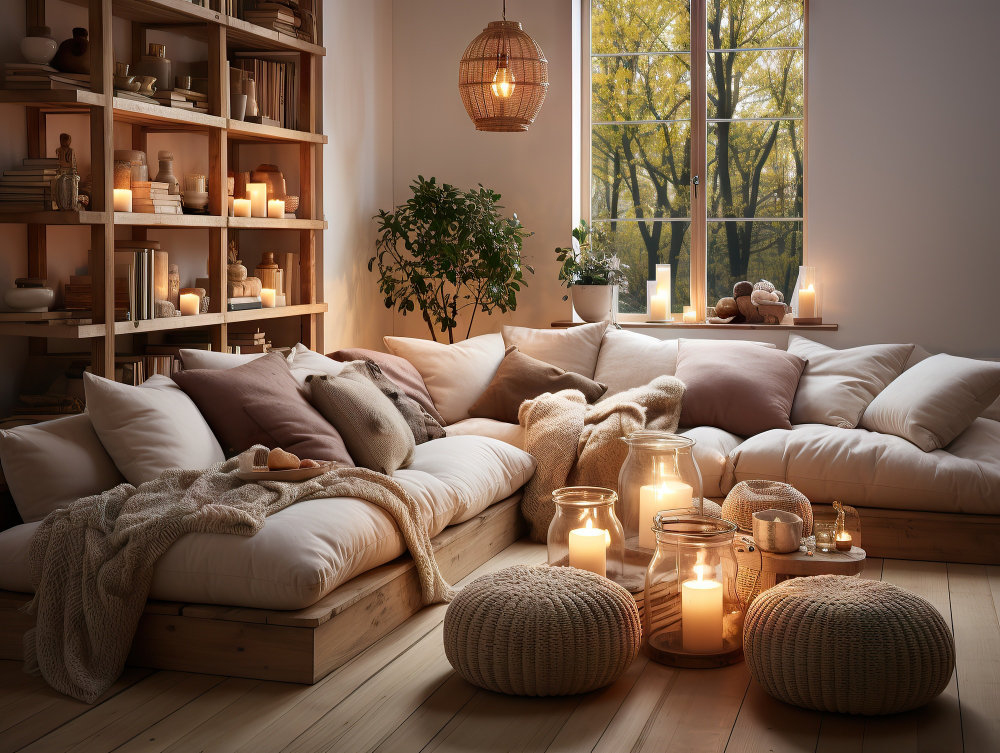
Soft lighting, candles, plush throws, and textured rugs help create a sense of comfort and relaxation.
Furniture is designed for lounging, with an emphasis on comfort and simplicity.
5. Functional and Practical Design
Multi-functional furniture (e.g., storage ottomans, extendable tables) is a hallmark of Scandinavian homes.
Spaces are designed to maximize natural light, often featuring large windows and sheer curtains.
Built-in storage and minimalist shelving keep spaces organized and clutter-free.
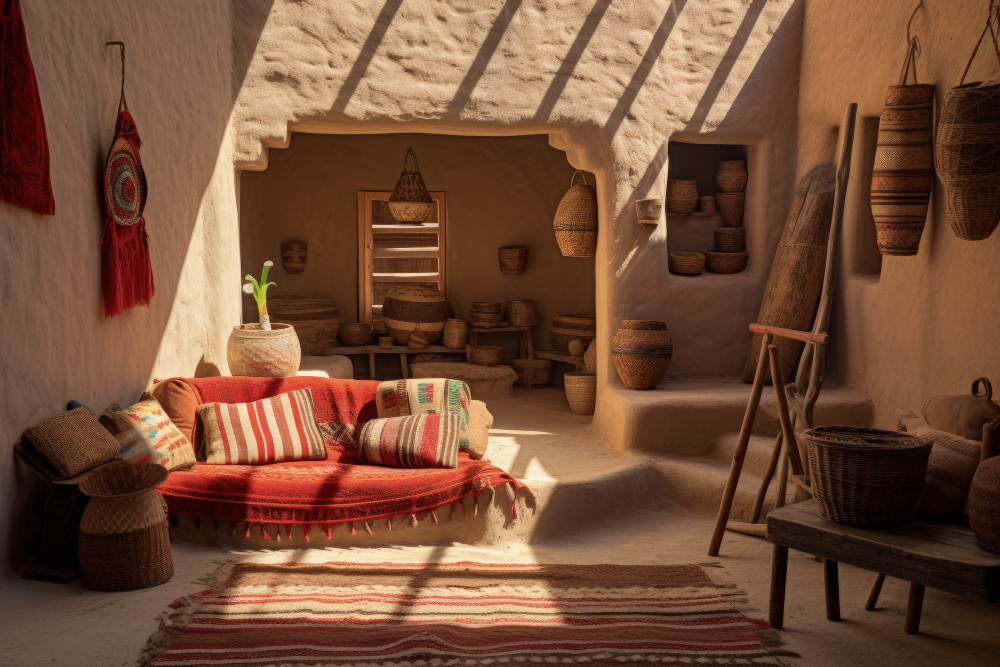
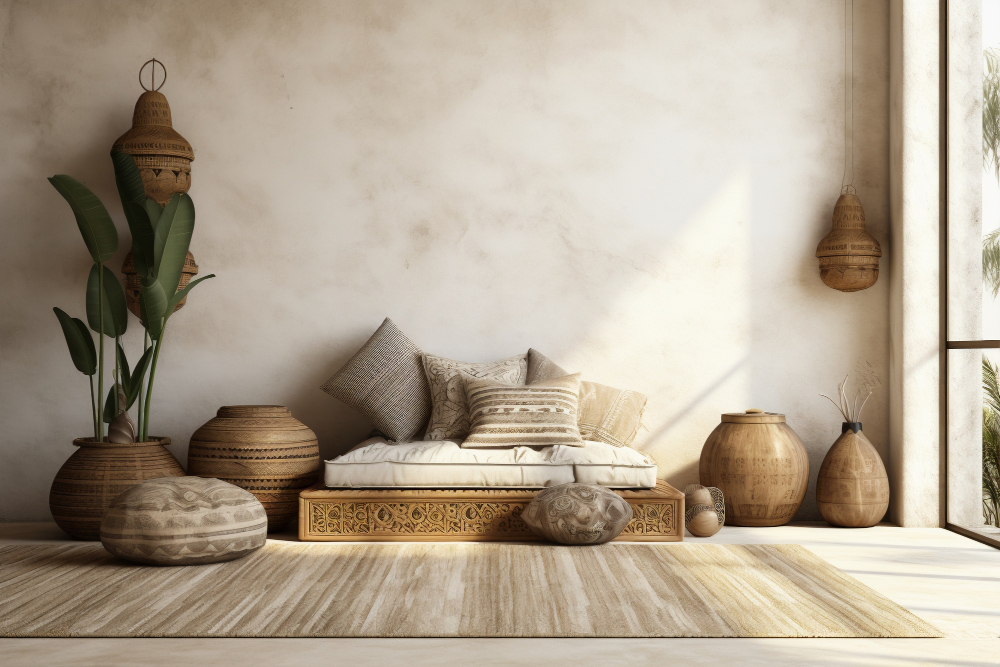
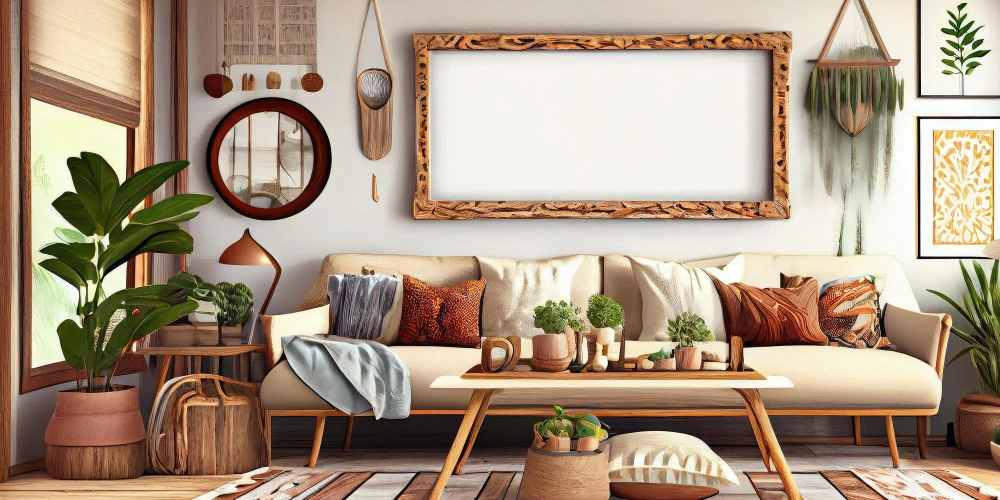
Scandi-Boho is a fusion of Scandinavian minimalism with the relaxed and eclectic vibe of Bohemian style. It combines the clean, airy feel of Scandinavian interiors with the earthy textures and global influences of Boho design.
1. Color Palette
Scandi-Boho retains the Scandinavian neutral base (white, beige, gray) but adds warmer, earthy tones like rust, ochre, mustard, and sage green.
Pops of vibrant colors from vintage rugs, cushions, and wall art reflect the Boho influence.
2. Layered Textures and Patterns
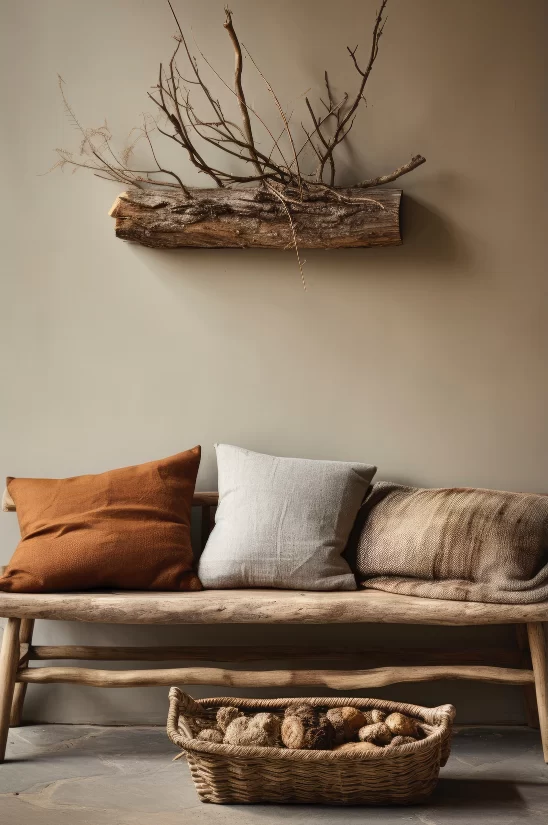
Layering textiles is key—think Moroccan rugs, macrame wall hangings, and woven baskets.
Mixing linen, wool, rattan, and jute creates a rich, tactile environment.
3. Vintage and Handmade Elements
Scandi-Boho celebrates imperfections and handcrafted pieces.
Vintage furniture, distressed wood, and handmade pottery add character and warmth.
4. Indoor Plants and Greenery
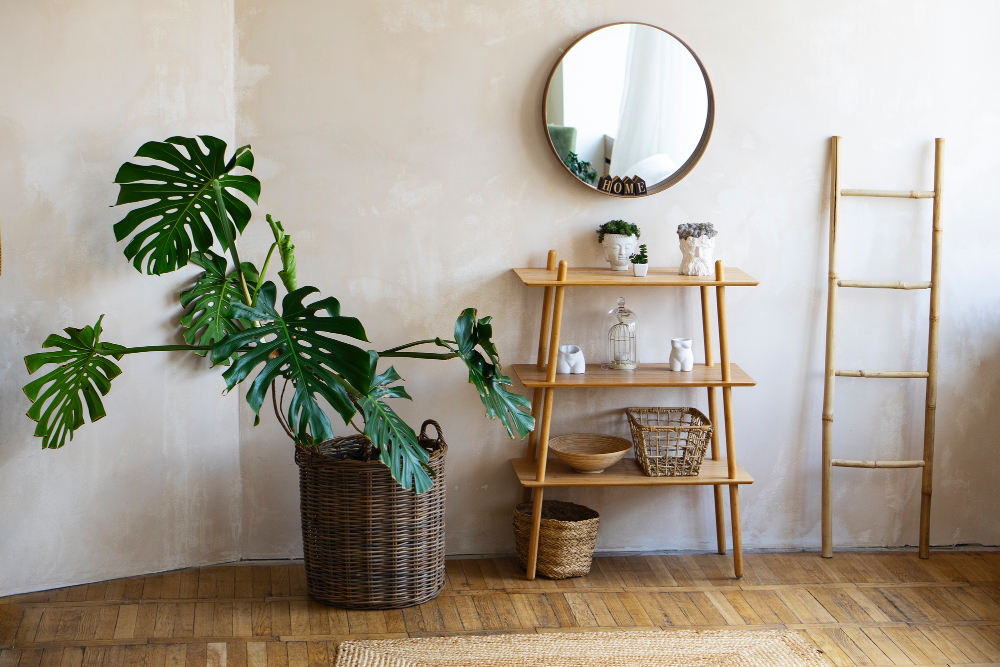
Houseplants (like fiddle leaf figs, snake plants, and succulents) are essential in Scandi-Boho interiors.
Macrame plant hangers and terracotta pots reinforce the Boho vibe while maintaining the simplicity of Scandinavian design.
5. Balance of Simplicity and Playfulness
While Scandinavian design emphasizes order and restraint, Boho brings in spontaneity and personality.
Mixing geometric patterns with organic shapes creates a dynamic yet balanced look.
Japandi: The Fusion of Japanese and Scandinavian Design
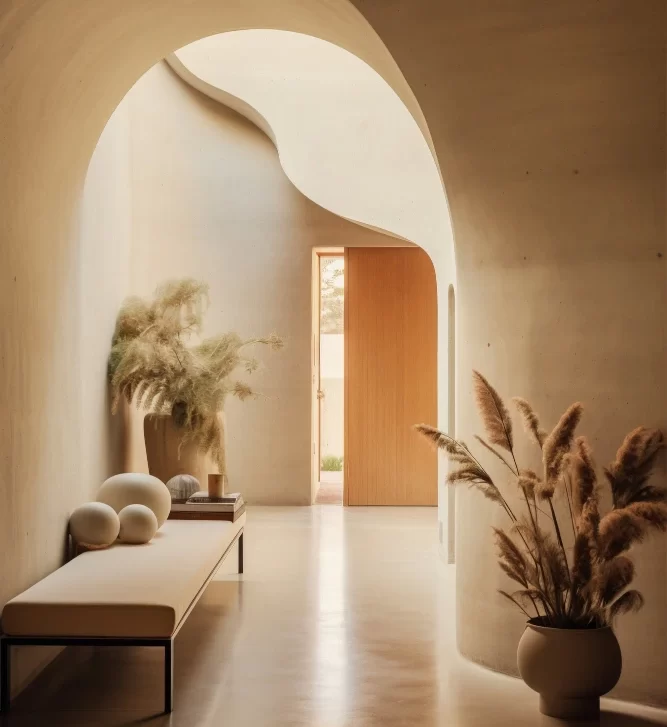
Japandi is a design movement that blends the simplicity and functionality of Scandinavian design with the elegance and harmony of Japanese aesthetics. Both styles share an appreciation for natural materials, craftsmanship, and minimalism.
1. Neutral and Earthy Color Palette
Japandi leans toward muted and natural tones like beige, taupe, charcoal, and soft browns.
Accents in deep green, indigo, and rust reflect Japanese color influences.
2. Low-Profile and Functional Furniture
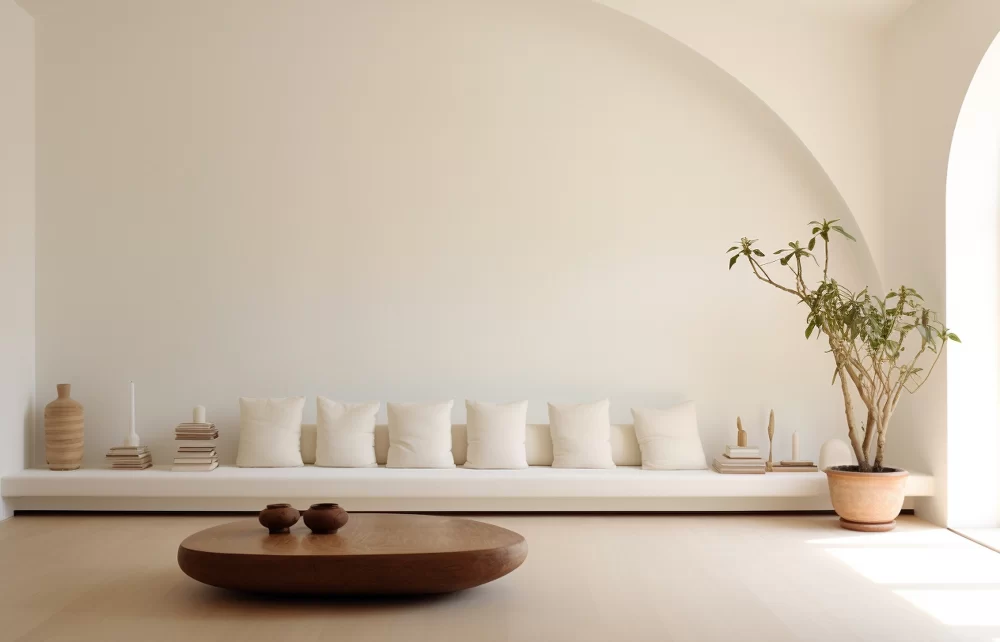
Japandi interiors favor low furniture (inspired by Japanese tatami rooms) with clean lines and natural finishes.
Built-in furniture and storage solutions are common to maintain a minimalist look.
3. Wabi-Sabi Philosophy
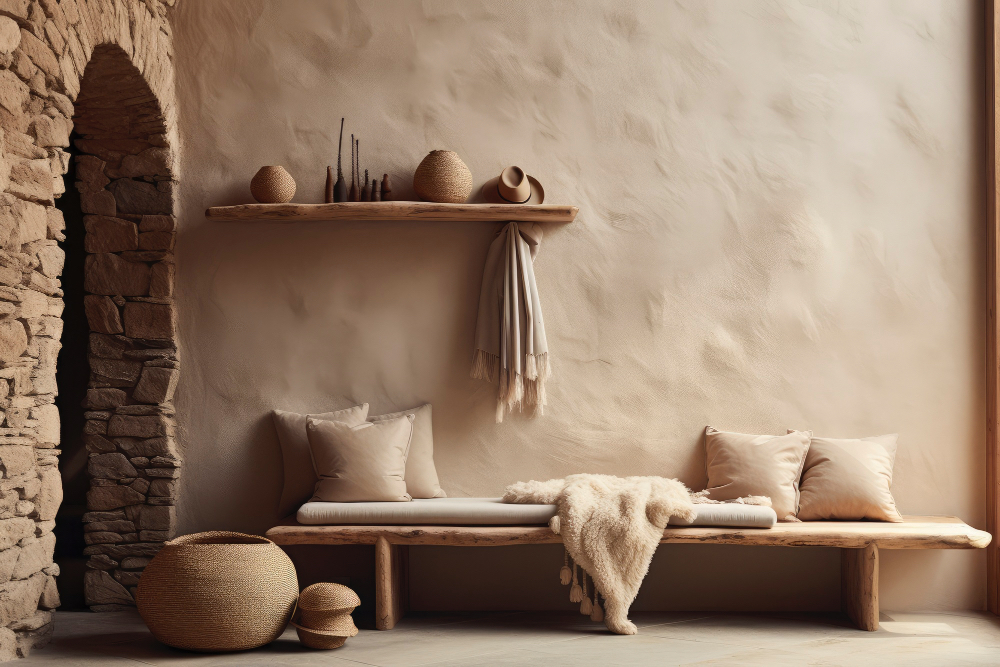
The Japanese concept of wabi-sabi (finding beauty in imperfection) is reflected in Japandi interiors.
Natural imperfections in wood grain, handmade pottery, and distressed finishes are celebrated rather than concealed.
4. Natural Materials and Organic Shapes
Wood, bamboo, stone, and rattan are used extensively in Japandi interiors.
Curved forms and organic shapes soften the structured, minimalist lines.
5. Harmony and Tranquility
Japandi spaces aim to create a sense of calm and balance.
A mix of soft lighting, shoji screens, and natural fabrics fosters a peaceful atmosphere.
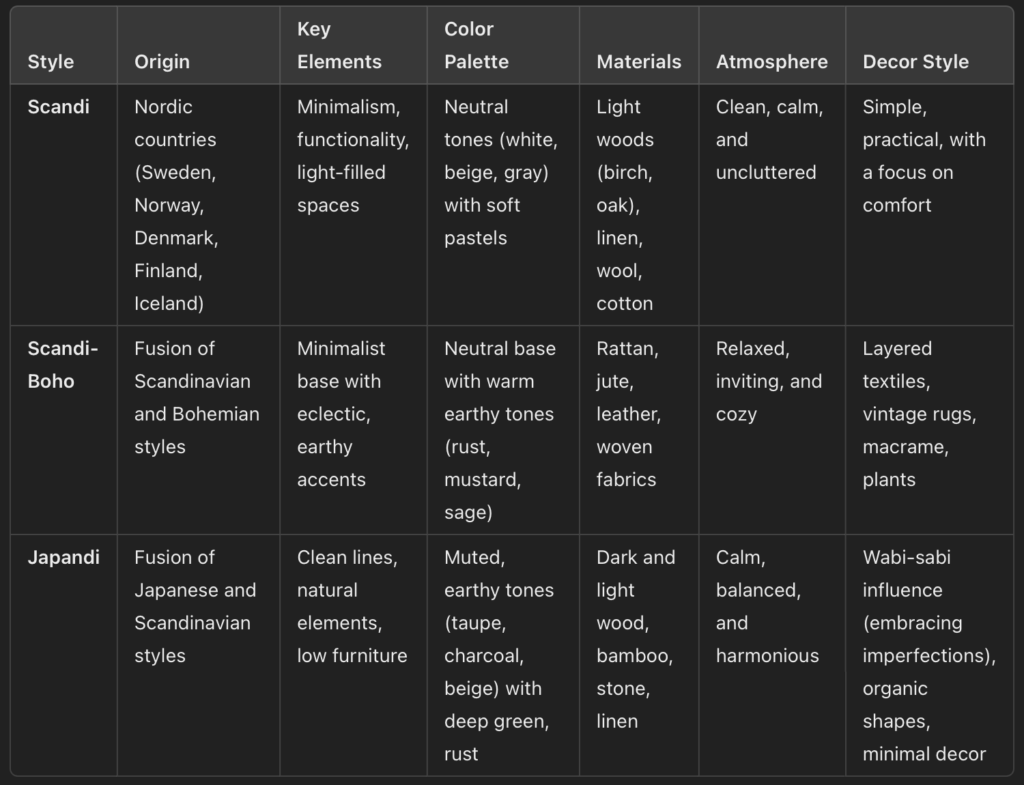
Differentiation summary between Scandi, Scandinavian-Boho and Japandi styles of interior design:
Conclusion
The Scandinavian aesthetic, along with its modern adaptations like Scandi-Boho and Japandi, reflects a growing global appreciation for simplicity, functionality, and nature-inspired design. Whether you prefer the clean lines of Scandinavian minimalism, the earthy charm of Boho style, or the balanced tranquility of Japandi, these styles offer endless possibilities to create a beautiful and harmonious living space. By blending these elements thoughtfully, you can design a home that feels both stylish and comforting—a true sanctuary from the chaos of modern life.
I hope you liked this blog Interior Design: Scandi/Boho & Japandi Styles, please let me know through your comments. Also share it with other people who are passionate about architecture and design. Contact us in case of any queries and also read my previous blogs related to architecture and travel. Thank you.
Namaste,
I am Himanshi Sharma, by profession I am an Architect (B. Architecture) and Planner (Environmental planning and management). On this website we will discuss about various topics related to architecture, designing, planning, environment, travel and many more.