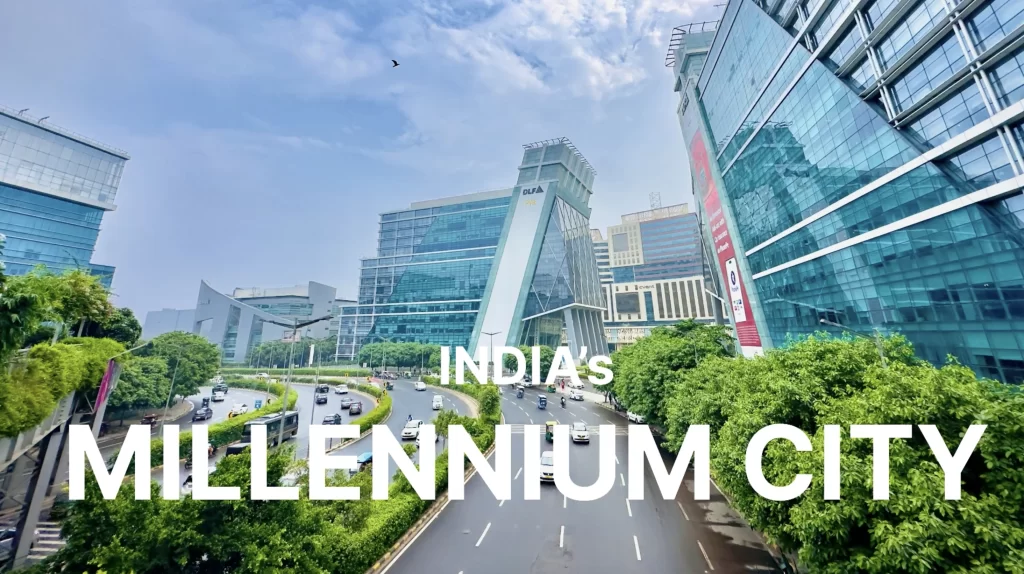
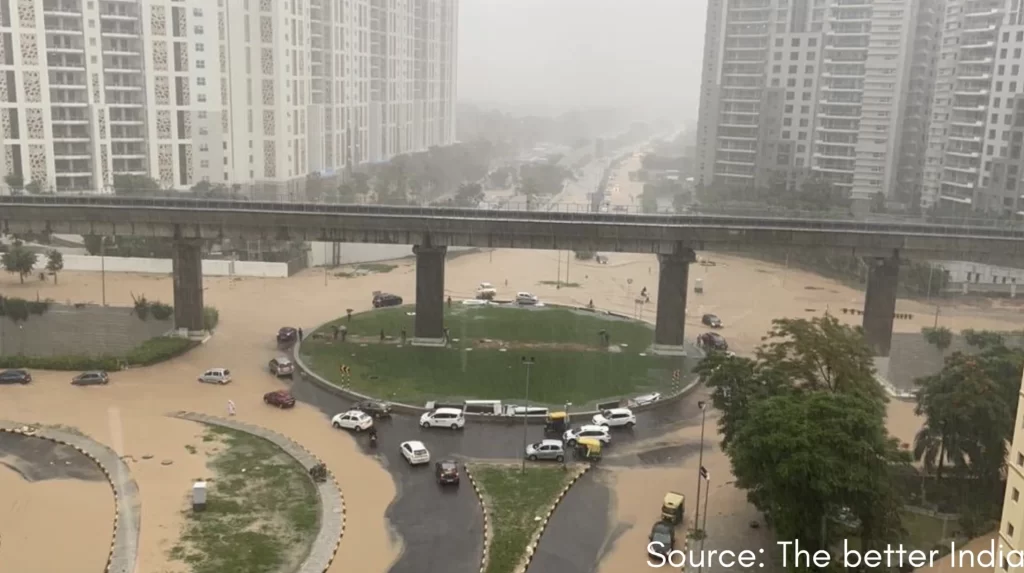
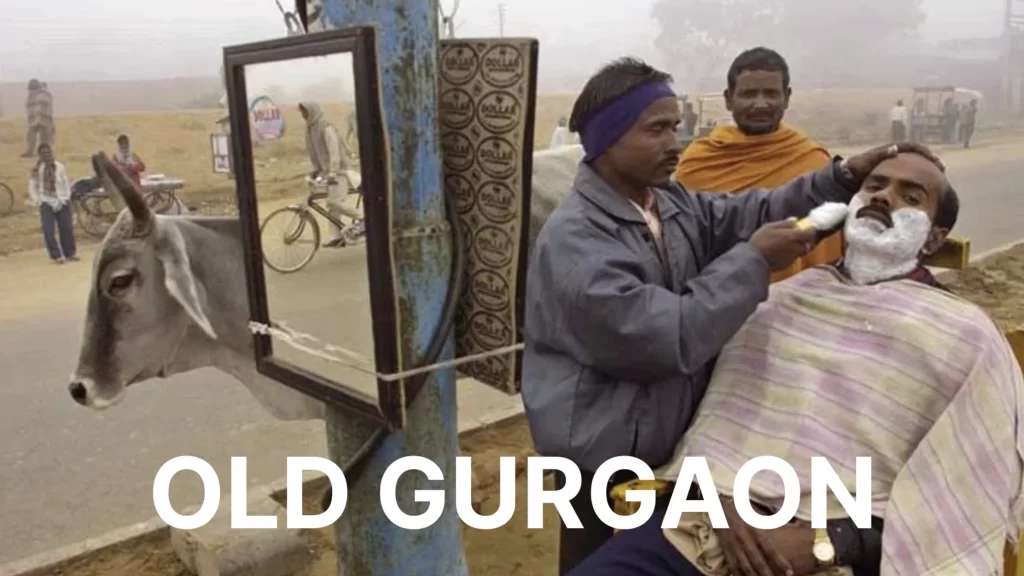
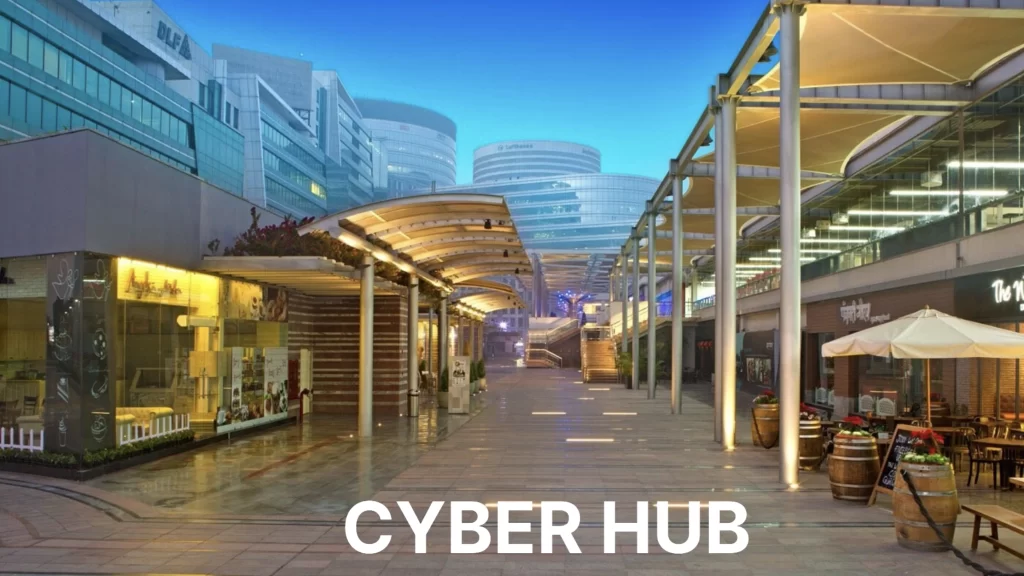
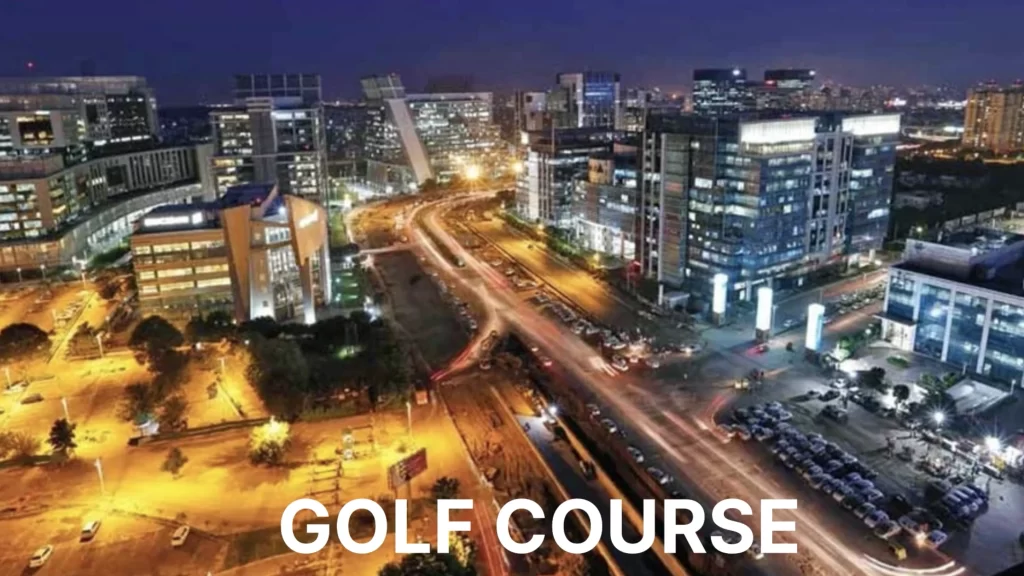
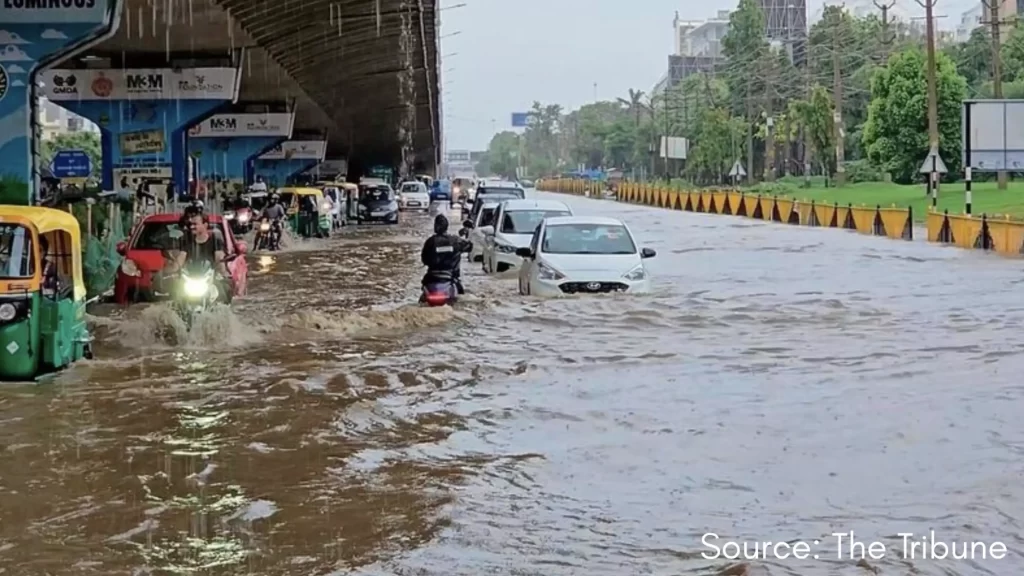
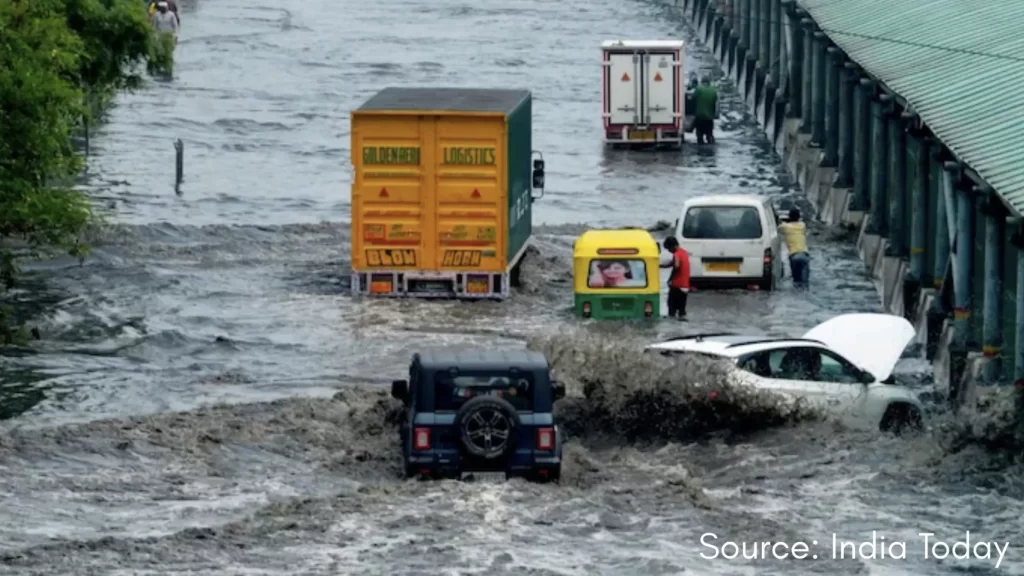
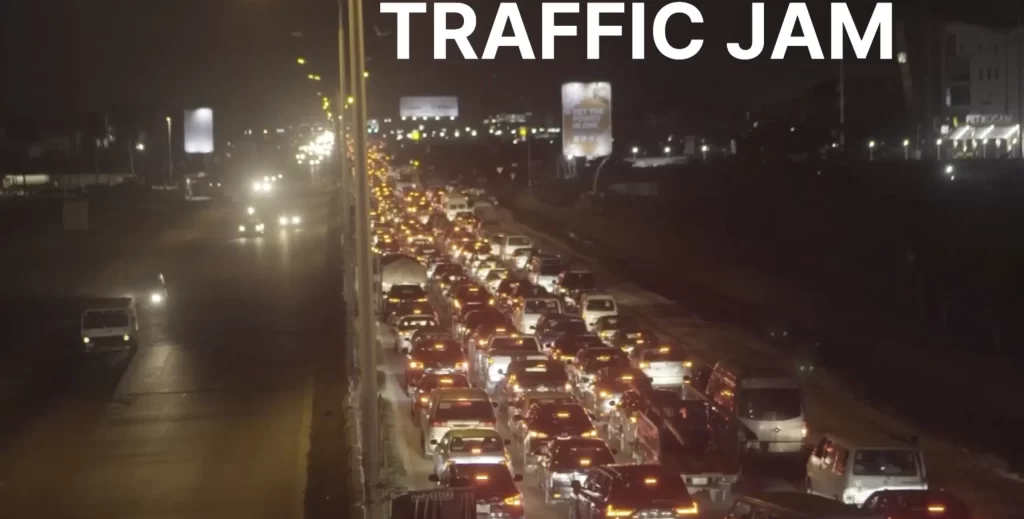
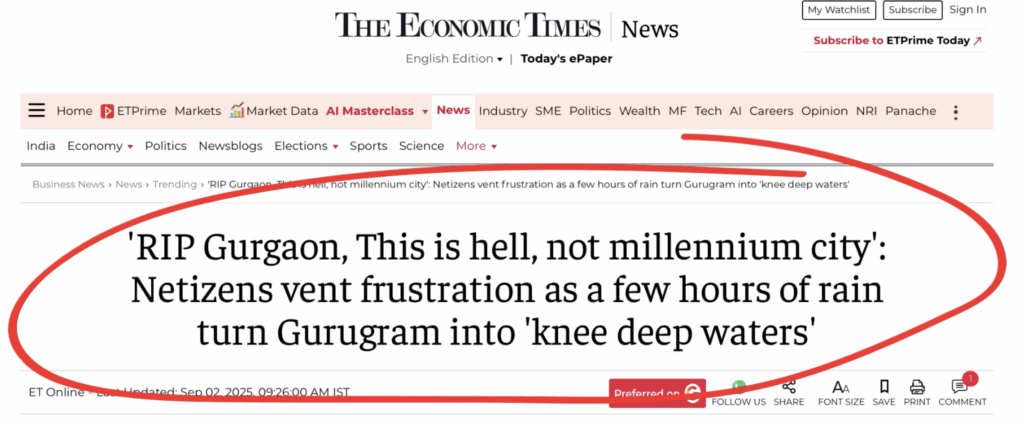
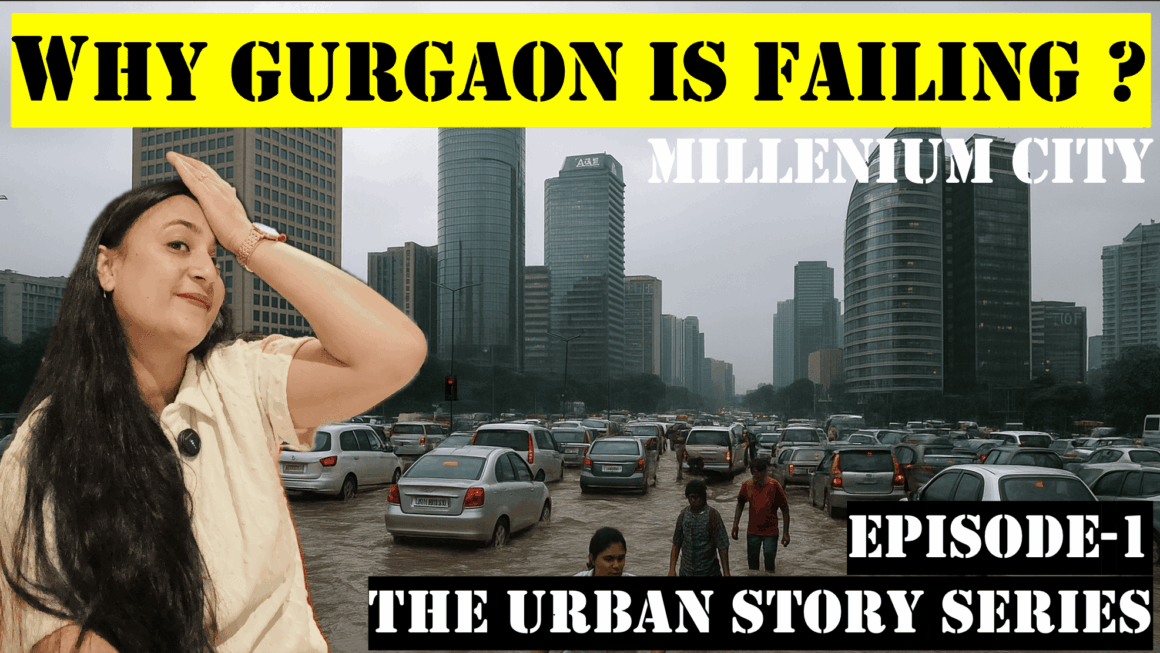
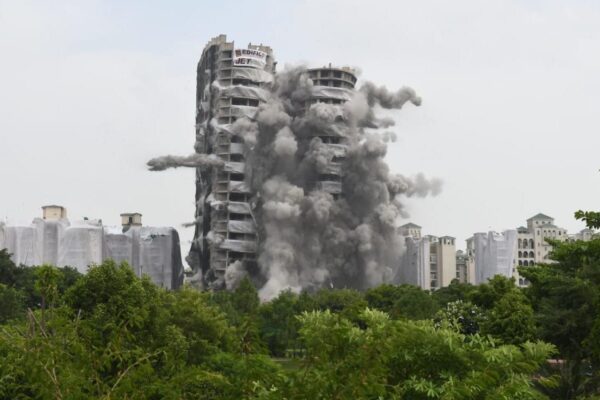
This is Gurgaon — India’s so-called “Millennium City.” Within just an hour of heavy rain, the city that boasts of glass towers, luxury apartments, and international companies comes to a standstill. Roads flood like rivers, potholes open up, traffic snarls stretch endlessly, and electricity cuts disrupt daily life. Read full blog on Gurgaon Urban Crisis of you want to know about it’s failure as a city.
How can a city that was meant to represent India’s future struggle so much with the basics? Why does Gurgaon fail every monsoon despite being one of the richest urban centers in the country? In this article, we will explore Gurgaon’s story — how it grew, where it went wrong, and what lessons it holds for the future of Indian cities.
This piece is part of our new series “The Urban Story”, where we uncover the truth behind our cities — their challenges and possible solutions. The goal is simple: to understand how cities actually function, what went wrong in their planning, and how we can build more sustainable cities for tomorrow.
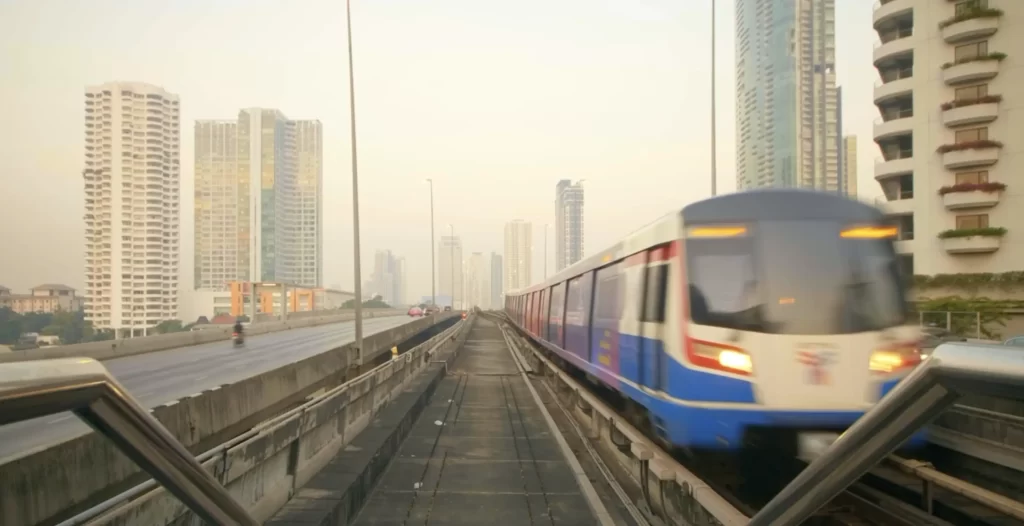
Before Flooding
After Flooding
History of Gurgaon
How Gurgaon grew from a small village to India’s “Millennium City.”
A Brief History of Gurgaon’s Growth
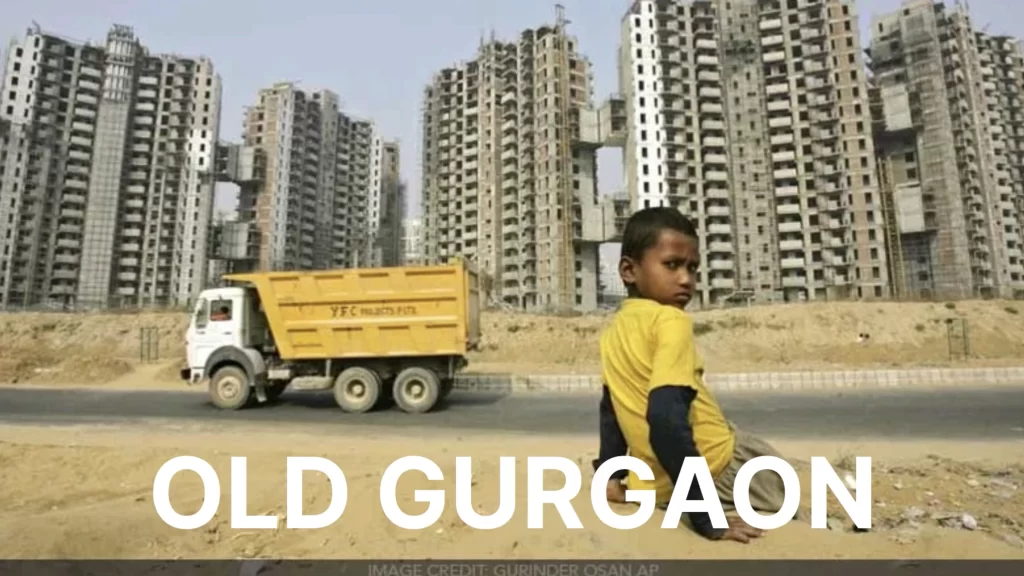
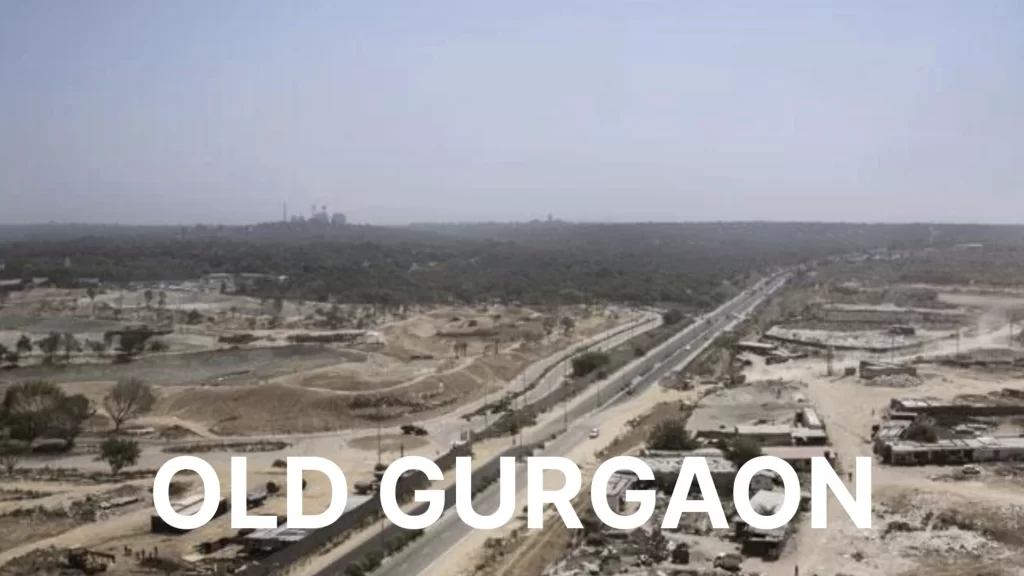
Until the 1980s, Gurgaon was nothing more than a small village near Delhi. The transformation began when private developers, most notably DLF, started experimenting with large-scale real estate projects.
The timing was perfect. The IT and BPO boom in India demanded new office spaces, and Gurgaon’s proximity to Delhi made it the ideal location. Soon, multinational companies set up their headquarters here, and high-rise apartments began to dominate the skyline.
Areas like Cyber City, Golf Course Road, and MG Road turned into landmarks of modern development. Gurgaon was marketed as a global city — sleek, corporate, and modern.
But there was one critical flaw: this growth was not supported by a strong master plan. Every builder developed their own township, constructed their own roads, and created their own islands of infrastructure. Meanwhile, city-wide infrastructure — drainage, water supply, public transport — was left far behind.
The result is a city of contradictions: world-class towers standing beside broken roads, luxury apartments struggling with water shortages, and corporate hubs drowning in monsoon floods.
Key Failures of Gurgaon’s Urban Crisis
1. Flooding & Drainage Crisis
Perhaps the most visible failure of Gurgaon is its flooding. With every monsoon, the city drowns. The natural drainage systems that once carried rainwater were destroyed or built over during rapid urbanization.
Green areas were converted into paved surfaces without considering rainwater absorption. A proper stormwater drainage system was never built. Today, even a short spell of rain leads to waterlogging across the city — from Cyber Hub to MG Road.
2. Water Shortage & Groundwater Exploitation
Behind the glass towers lies another hidden crisis: water scarcity. Gurgaon gets almost 80% of its water from borewells and private tankers. Over the years, groundwater has been extracted to such an extent that in many areas it has sunk more than 1,000 feet below ground level.
The “tanker mafia” thrives, supplying water to entire neighborhoods. Ironically, people living in expensive luxury apartments often find themselves waiting for a water tanker to arrive.
3. Traffic Chaos
If you have ever tried commuting in Gurgaon, you know the nightmare of its traffic. Cyber City and Sohna Road are infamous for endless jams.
The reason? Gurgaon’s roads were never designed with a clear hierarchy or long-term vision. Flyovers and underpasses were built in patches, but connectivity remains poor. Public transport is weak, which forces most people to rely on private cars or cabs. This has created a cycle of congestion that the city struggles to break.
4. Fragmented Governance
Perhaps the most fundamental issue in Gurgaon is its governance structure. Unlike well-planned cities, Gurgaon does not have a single unified planning authority.
Instead, multiple bodies — Municipal Corporation of Gurugram, Haryana Urban Development Authority (HUDA), and private developers — operate independently. There is no single authority with the power or vision to plan the entire city.
The result is chaos. Developers build as they wish, local bodies work in silos, and the public suffers from the lack of a coordinated approach.
What Can Be Done? Possible Solutions for Gurgaon Urban Crisis
If Gurgaon is to become a truly sustainable and livable city, serious reforms are needed. Here are some possible solutions:
1. Water-Sensitive Urban Planning
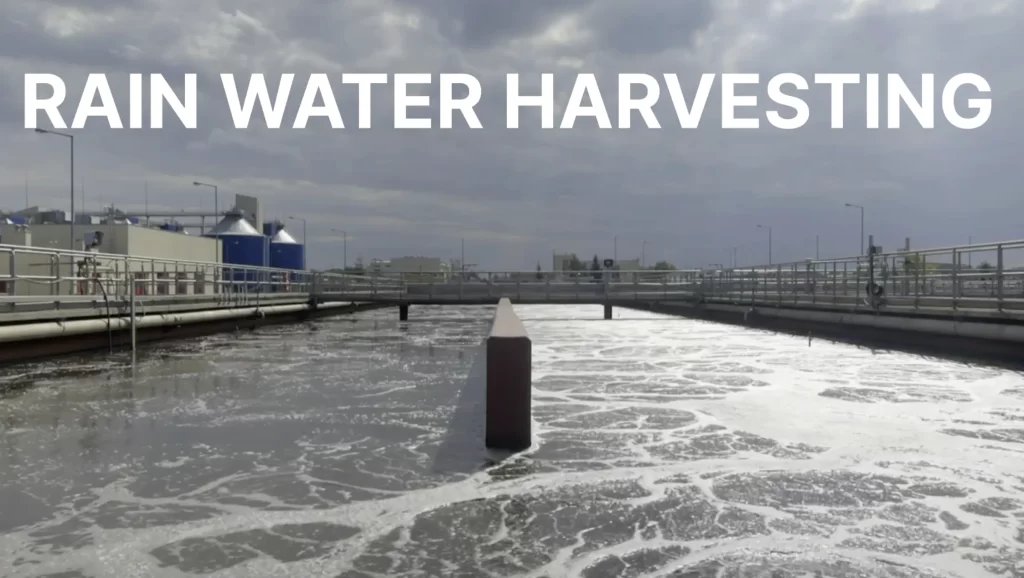
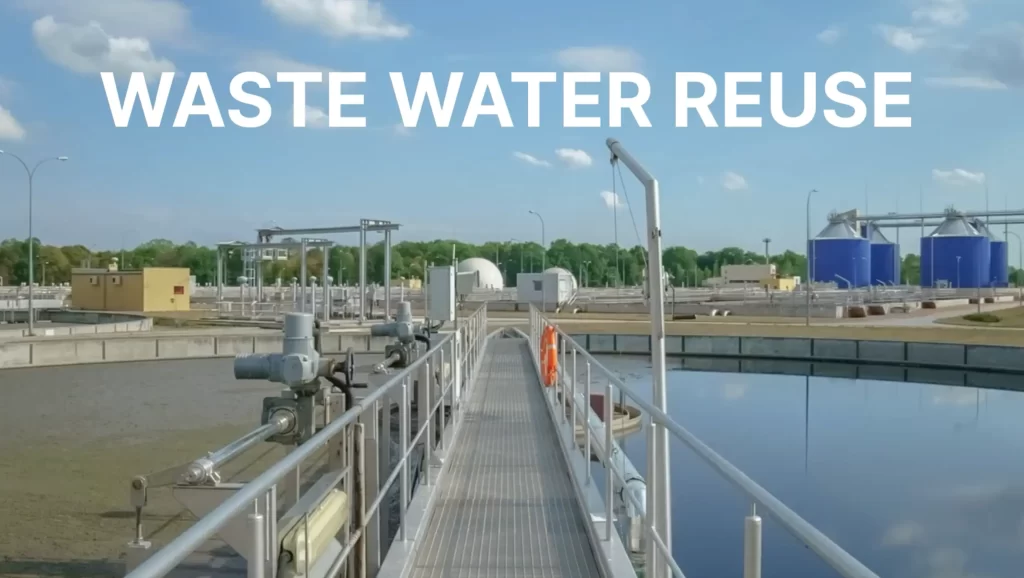
The city must restore its natural water systems — lakes, ponds, and drainage channels. Rainwater harvesting and wastewater reuse should be made mandatory for all housing societies and office complexes. Without addressing the water crisis, Gurgaon cannot survive in the long term.
2. Sustainable Drainage Systems
Instead of only relying on concrete drains, Gurgaon needs modern approaches like pervious pavements, bioswales, and constructed wetlands. These systems allow rainwater to seep into the ground and reduce surface flooding.
3. Green Mobility & Public Transport
Gurgaon needs to reduce its dependence on private cars. Metro connectivity should be expanded, and last-mile transport (like buses, cycles, and e-rickshaws) must be improved. Walkable streets and cycling infrastructure can make mobility more sustainable.
4. A Unified Planning Authority
No city can function effectively without strong governance. Gurgaon needs a single empowered authority that can integrate the work of private developers and local bodies, and enforce a long-term master vision for the city. Without this reform, no amount of infrastructure will be enough.
Gurgaon: A Warning for India
Gurgaon is not just a city; it is a warning. It shows us what happens when rapid development is allowed without proper planning.
Building glass towers, malls, and office parks is easy. But making a city truly livable requires something more — strong governance, sustainable planning, and respect for natural systems.
If India does not learn from Gurgaon’s mistakes, future cities will repeat the same failures. Every monsoon, every traffic jam, every water shortage reminds us that we cannot afford to ignore urban planning any longer.
Conclusion
Gurgaon’s story is not just about one city — it is about the future of urban India. The choices we make today will decide whether our cities remain chaotic and fragile, or whether they become resilient and sustainable.
So, the next time you see Gurgaon’s glass towers shining in the sunlight, remember the hidden struggles of the city. Behind the glitter lies a harsh lesson — development without planning is not progress, it is a crisis waiting to happen.
What do you think? Is India ready to plan its cities better? Or will we keep repeating the same mistakes? Share your thoughts in the comments below.
I hope you liked this blog Gurgaon Urban Crisis, please let me know through your comments. Also share it with other people who are passionate about architecture and design. Contact us in case of any queries and also read my previous blogs related to architecture and travel. Thank you.
Namaste,
I am Himanshi Sharma, by profession I am an Architect (B. Architecture) and Planner (Environmental planning and management). On this website we will discuss about various topics related to architecture, designing, planning, environment, travel and many more.